Ver o conteúdo principal

Living in Lisbon

Headerssite2025 Level2

Living in Lisbon

Lisbon is a city shaped by cultural diversity and the coexistence of history and modern life. Known as the city of seven hills, it is also recognized for its distinctive light, which enhances the urban landscape.

Historic neighborhoods preserve traces of old Lisbon, visible in the architecture, traditional tiles, and wrought iron balconies. The city is known for the friendliness of its residents and the widespread use of English, especially among younger generations.

Lisbon has an wide public transportation network and is close to destinations such as the beaches of Cascais and Costa da Caparica, as well as the town of Sintra. The city offers a wide range of cultural activities, museums, and leisure spaces throughout the year.

Portuguese cuisine is one of Lisbon’s highlights, with a diverse selection of restaurants offering both traditional and international options, many at affordable prices.

Useful information

Transportation
Lisbon has an extensive public transportation network, including metro, buses, and urban trains, allowing easy travel within the city and to nearby areas.

Banks and ATMs
Banks are generally open from Monday to Friday, from 8:30 a.m. to 3:00 p.m. ATMs are widely available throughout the city and can be used for cash withdrawals and other basic transactions.

Pharmacies
Pharmacies are usually open from Monday to Friday, between 9:00 a.m. and 7:00 p.m., and may close during lunchtime. On Saturdays, they are typically open from 9:00 a.m. to 1:00 p.m. Outside these hours, duty pharmacies are available late at night or overnight.

Museums – free entry and student discounts
Most museums in Lisbon offer free entry on specific days or time slots, usually on Sunday mornings. Many museums also provide discounted admission for students upon presentation of a valid student ID. In some cases, entry may be free for students from the European Union. Conditions vary by museum, so it is recommended to check each museum’s official website.

The Old Town

Lisbon offers many points of interest, and walking through the city is often the best way to experience it. When weather conditions allow, stopping at one of the city’s viewpoints, such as Miradouro de São Pedro de Alcântara or Miradouro de Santa Luzia, is highly recommended.

BAIXA AND CHIADO

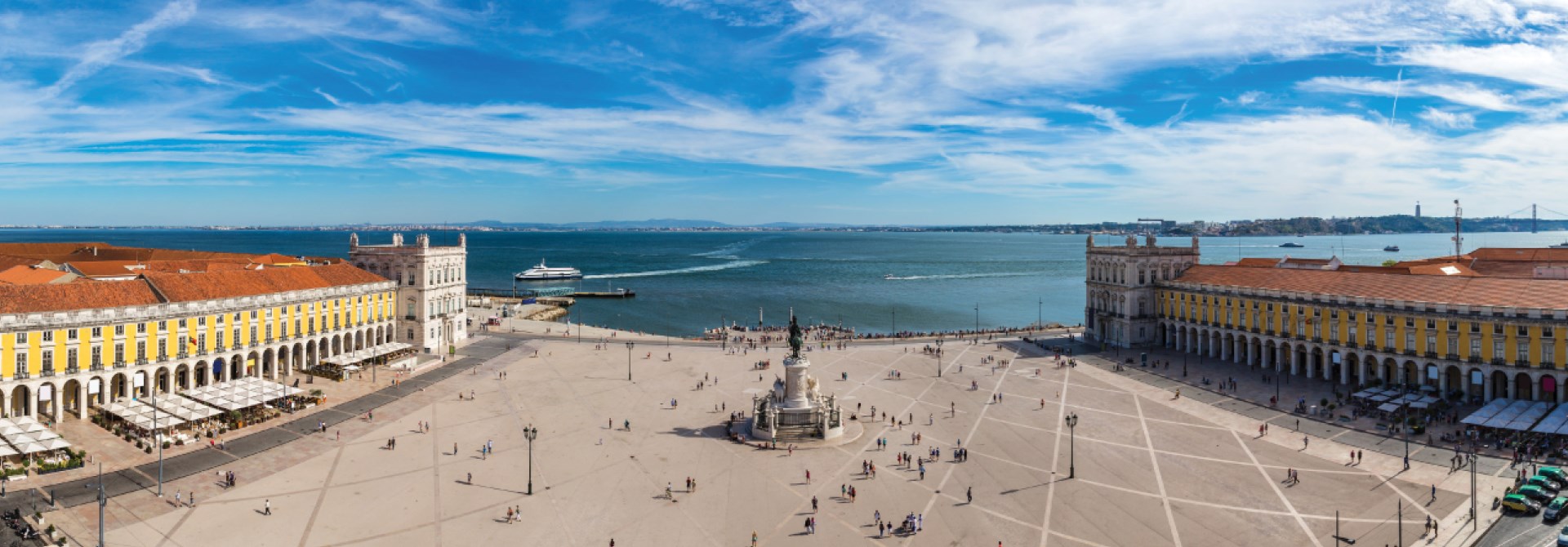
Baixa and Chiado form Lisbon’s central area, combining historic architecture with shops, cafés, cultural venues, and restaurants. Rebuilt after the 1755 earthquake, this area includes landmarks such as Rossio Square and Praça do Comércio, along the Tagus River. From Baixa, it is possible to walk to the Cathedral and Castelo de São Jorge, or take the Santa Justa Elevator to the Carmo area.

ALFAMA

Alfama is one of Lisbon’s oldest and most traditional neighborhoods, known for its narrow streets and historic atmosphere. The area becomes particularly lively during the June festivities dedicated to Santo António.

BAIRRO ALTO AND CAIS DO SODRÉ

Bairro Alto is well known for its nightlife and social atmosphere, especially in the evenings. Nearby, Cais do Sodré is an important transportation hub and a popular leisure area, with restaurants, bars, and easy access to the riverside.

PRÍNCIPE REAL

Príncipe Real is a central residential area known for its gardens, small shops, and cafés. It offers a quieter atmosphere while remaining within walking distance of Chiado and Bairro Alto.

BELÉM

Located along the river, Belém is closely associated with Portugal’s Age of Discoveries. The area includes the Mosteiro dos Jerónimos, Torre de Belém, and the Padrão dos Descobrimentos. Belém is also home to the Centro Cultural de Belém and the traditional Pastéis de Belém.

The New Town

PARQUE DAS NAÇÕES

Developed for Expo 1998, Parque das Nações is one of Lisbon’s most modern areas. Located along the Tagus River, it offers wide public spaces for walking, cycling, and leisure activities. The area includes a shopping center, the Oceanário de Lisboa, and the Altice Arena, one of Lisbon’s main venues for large events and concerts.

Museums

Fundação Calouste Gulbenkian

Located close to NOVA IMS, the Gulbenkian Foundation is one of Portugal’s most important cultural institutions. It includes a Museum, a Modern Art Centre, an Art Library, and also hosts concerts throughout the year. The surrounding gardens are ideal for a relaxed visit.

Learn more on the official website.

Museu Nacional dos Coches

One of Lisbon’s most iconic museums, located in Belém. It houses a unique collection of royal coaches from the 17th to the 19th century, making it one of the most visited museums in Portugal.

Learn more on the official website.

Berardo Collection Museum

A must visit for modern and contemporary art lovers. The museum presents major artistic movements from the 20th century to today, with works by internationally renowned artists.

Learn more on the official website.

National Tile Museum

Dedicated to one of Portugal’s most distinctive art forms, the azulejo tile. The museum is located in a former convent dating back to the 16th century and combines art, history, and architecture.

Learn more on the official website.

Beaches

Lisbon offers several beach destinations nearby. Carcavelos, Estoril, and Cascais are part of the Cascais Line and can be easily reached by train from Cais do Sodré station.

On the south bank of the Tagus River, Costa da Caparica is also a common choice. Located slightly farther from the city, Guincho, Praia Grande, Arrábida, and Tróia are known for their beaches and natural surroundings.

Life Cost

Monthly Expenses
Accommodation (Residences, room rental, hostels, etc) 450€ – 800€
Monthly Passes (Carris and Metro urban routes – 30 days) €40
Other Expenses
Meal at Campus €3,50 - €5
Cinema €7,10
Bus Ticket €2
Metro Ticket €1,50
Living costs obviously vary per person, depending on your lifestyle and other factors.  
Indicative budget average monthly 700€ – 1.000€

Contacts and Location

Location:

NOVA Information Management School - Universidade Nova de Lisboa
Campus de Campolide
1070-312 Lisboa
Portugal
Tel: +351 213 828 610

How to get to NOVA IMS:

Metro: S. Sebastião (Blue Line and Red Line) / Praça de Espanha (Blue line)
Bus: 701, 713, 716, 726, 742, 746, 756, 758